

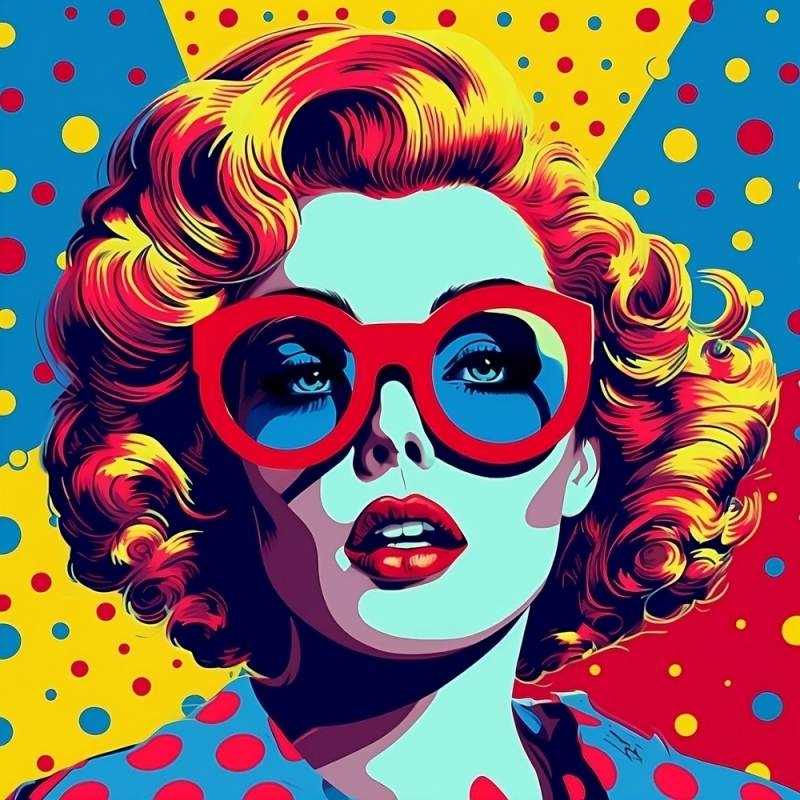
The traditional art world loves to pretend it operates on a higher intellectual plane, completely divorced from cheap consumer garbage. That delusion dies the exact second you confront neo-pop art. This is not a polite cultural critique; it is a brutal, hyper-commercial assault on your senses. Artists are no longer just painting soup cans. They are hijacking massive corporate mascots, twisting childhood nostalgia into cynical plastic sculptures, and forcing billionaires to pay millions of dollars for the same imagery you see on a cereal box. If you think modern galleries are sacred, untouchable spaces, you are completely ignoring how this aesthetic dismantles the boundary between elite fine art and mass-market retail trash.
This genre is a ruthless visual attack that physically hijacks modern consumer culture. It deliberately takes the cheap, highly recognizable icons of television, advertising, and comic books, and scales them up into high-gloss gallery installations, destroying the rigid barrier between cheap commercial illustration and elite, untouchable global fine art.
You cannot fake this aesthetic. It relies on a highly specific, aggressive visual language designed to instantly grab your attention and hold it hostage in a crowded gallery.
Artists push neon palettes and glossy finishes to assault the optic nerve, mimicking the inescapable brightness of a digital smartphone screen.
They flat-out refuse to invent original characters. They ruthlessly steal cultural icons and mutate them into unrecognizable, bizarre variations.
Forget the lonely artist in a messy studio. These pieces are manufactured in massive, factory-level facilities using pristine automotive paint and heavy fiberglass.
They weaponize your childhood memories, twisting familiar, comforting cartoons into dark, highly sexualized, or hyper-violent visual statements.
These are the biggest neo-pop artists who dragged cartoon aesthetics into high-end galleries. They bypassed traditional critics and forced the market to accept their massive, commercialized visions.
The absolute king of cynical commodification, turning cheap balloon dogs into massive stainless-steel monuments that sell for millions.
He fuses traditional Japanese anime with elite art, building a massive factory to pump out highly detailed, candy-colored visual chaos.
He ripped art out of the galleries and sprayed his iconic, kinetic figures directly onto the filthy subway walls of New York.
He weaponized pharmaceutical packaging and preserved dead animals, forcing the art world to confront the reality of commercialized death.
He hijacked bus stop advertisements before conquering the globe with massive, dead-eyed vinyl toys that hypebeasts hoard.
6. Romero Britto
He completely abandoned subtlety, blasting massive, happy patterns and heavy black outlines onto expensive luggage and canvases.
She made people enter a claustrophobic, hallucination-inducing infinity room, using relentless polka dots to obliterate your sense of physical space.
He paints deceptively cute, large-headed children that actively radiate intense, violent hostility, perfectly capturing modern youth isolation.
He strips human portraits down to thick, deadpan digital outlines, turning actual people into generic, mass-produced digital signs.
He hijacked the post-apocalyptic anxiety of the eighties by burying it under a massive, fluorescent wave of mutated cartoon aliens.
He used street propaganda to build an anti-establishment sticker campaign into a globally recognized, highly profitable corporate brand.
The neo-pop art movement does not survive by staying static. It constantly mutates, stealing the latest commercial trends and warping them to stay relevant to a modern audience.
Artists are hijacking early internet aesthetics, ripping out outdated computer graphics and twisting them into glitch-heavy physical sculptures.
They do not just critique luxury fashion; they partner with it. High-end brands print cynical art directly onto thousand-dollar sneakers to manufacture artificial hype.
The movement actively rips disposable internet memes from social media and locks them down into permanent, heavy bronze gallery statues.
You cannot write off this aesthetic as just a passing, low-brow trend. It completely conquered the globe by making the elite art establishment choke on its own commercialism. The neo-pop art movement reflects exactly who we are: a society entirely obsessed with branding, mass production, and cheap nostalgia. It rips the mascots and logos you grew up with and feeds them back to you at a massive, unjustified premium.
Street art acts as the testing ground. Artists tag public spaces with repetitive, highly branded icons to force public recognition before they cash in and sell those same logos on expensive gallery canvases.
Hand-painting a canvas shows human flaw. This movement demands flawless, machine-level perfection. They use massive automotive spray booths and 3D printing to physically erase the human touch, mocking the sterile reality of factory production.
Only if you lock down a piece from an absolute heavyweight. The market is brutally saturated with cheap garbage, but a limited release from a top-tier artist operates exactly like a high-risk, unregulated stock market asset.
The Japanese "Superflat" movement completely obliterated the boundary between elite fine art and cheap commercial manga. It forced the West to realize that drawing massive, candy-colored anime characters could legally be sold as multi-million-dollar gallery installations.
Because they ruthlessly steal corporate mascots without asking. They hijack Mickey Mouse or the Michelin Man, mutate them slightly, and sell them for massive profit. They intentionally provoke massive corporations, using the inevitable lawsuits as free, aggressive marketing.
This content was created by AI