

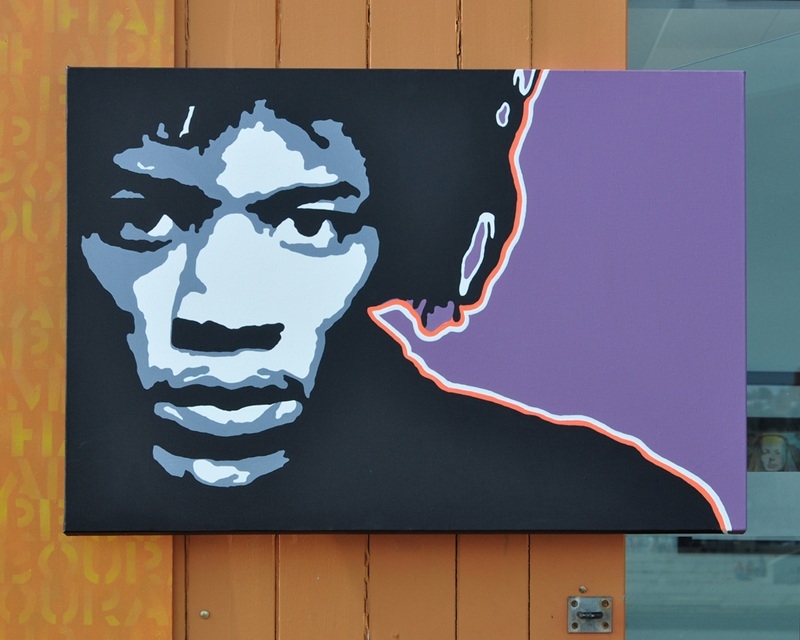
Little else in the realm of visual culture can make things look as fresh and novel as pop art did when its movement took off. Pop art's reign from the early 1960s to today has been incredibly influential in shaping how society views consumerism, fame, and mass production—but what does pop art mean today? To understand contemporary pop art and its impact on today's gallery works, we need to examine the cultural contexts of pop art and the transformations in everyday life through the artistic lens of noted pop artists.
So what makes pop art so influential, and why continue to play a major role in modern creative industries?
Pop Art first appeared in the 1950s and 1960s in both the US & UK. Mainly, it was a response to the ‘traditional’ fine art values; rather than drawing on romantic landscape paintings or abstract expressionism, the Pop Art Movement drew on the worlds of advertising, comic books, consumer products, and Hollywood stars.
Essentially, the meaning of Pop Art is based on the idea of accessing art through mass-produced popular culture, i.e., using images/ themes in the public domain. Unlike ‘high’ or elite forms of artistic expression, which require intelligence and a certain level of education to appreciate, Pop Art is an artwork type dedicated to making fun, non-elitist forms of ‘art’.
Additionally, the pop art movement created a distinction between commercial and traditional fine art by asking several very important questions.
Prior to the emergence of Pop Art, most modern art leaned towards more extreme forms of abstraction. In contrast, Pop Art brought the depiction of ordinary objects back into focus, often with a sense of irony or commentary on how Globalization has impacted the everyday lives of ordinary people.
In addition, as an art movement, Foi art has democratized the creative process by suggesting that everyone can access creative expression through art & that this defines the true meaning and purpose of art, as people outside the worlds of art sceptics or collectors also appreciate art by creating ordinary art.
Pop Art's success would have been impossible without its trailblazers, who defined the visual language and solidified its place in the annals of Art History.
One of the most recognizable figures in the Pop Art movement is Andy Warhol, who made the products of everyday life into Pop Art icons. Warhol's use of repetition, celebrity portraits, and commentary on the cult of celebrity and materialism remain central to discussions of the meanings of Pop Art and its connections to Media Culture.
Roy Lichtenstein created comic-book inspired works of art, using bold outlines and Ben-Day dots, and introduced the concept of questioning originality and Mass Producing, both of which were important themes in Modern and long-term Contemporary Art.
Claes Oldenburg created large-scale works of Art using common Objects, such as hamburgers and household items, and took a fun but critical approach to the boundary of what is Pop Art; he and many of his contemporaries expanded the definition of what is Pop Art.
Pop Art principles can still be seen in Contemporary Art today, as many Contemporary Artists, such as Digital Artists, Street Artists, and NFT Artists, employ them, including bright colours, repetition, and cultural references.
Pop Art Art-inspired creatives continue to work with luxury brands and fashion designers, but also continue to collaborate with Global Exhibitions.
Don't miss out: Pop Art Painting Techniques & Ideas You Need to Know
Let’s see how pop art has remained a major component of modern culture, yet thirty years later, the genre still has a big impact on our culture.
One area in which pop art has influenced modern culture is fashion/branding; many brands use pop art to promote their products and develop effective marketing strategies to reach people and stand out in today’s crowded/non-visual world. The bright colors and intense imagery stand out amongst the many different media outlets.
Another impact of pop art can be seen in social commentary and political statements. When pop art first emerged, it reflected artists’ attempts to critique consumerism and the influence of mass media. Modern-day artists have continued the philosophical ideas of pop art, using its visual vocabulary to address contemporary issues (such as politics, culture, technology, and climate change).
Lastly, large institutions, such as museums, galleries, and private collectors, have continued to celebrate and collect pop art as one of the most significant movements in 20th-century art. The universal appeal of pop art allows it to connect with today’s youth, while retaining the intellectual depth required for critical success in art history.
What pop/modern pop art has shown is that relevance does matter. Acts of creating are not created in isolation from society; as artists and their works are a direct representation of our current-day values, belief systems, and contradictions.
Pop art has had a major influence on the way we see and think about painting, sculpture, authorship, reproduction, and the commercial world. The pop art movement has challenged traditional notions of hierarchy and what qualifies as fine art.
In contemporary art, pop art has provided a foundation for introducing bold consumer-related symbols, developing forms (through the 1980s) into multimedia, digital platforms, and immersive installations.
The idea of pop art continues to change, but the idea of pop art as art that can be both critical and commercial and can be both playful and profound remains very much the same.
The works of many of the famous pop artists demonstrate how creative expression flourishes when there are challenges to accepted boundaries. The global art market reflects the innovative contribution of these creative pop artists.
Explore This Topic: Vibrant Dimensions: Explore 3D Pop Art in Sculptures and AR
Pop art is not just a style, but rather a state of mind. It is a symbol of distinct self-assuredness, objectivity, and social awareness. The pop art movement has transformed the course of modern art and influenced contemporary art, turning common imagery into eternal works of art.
Understanding pop art helps you understand how art reflects society. The confidence that spissi pop artists have cosmically influences artists across all fields, from galleries to fashion runways to digital media.
As our world becomes inundated with media and imagery, pop art will remain relevant. It will be a constant reminder that art exists everywhere (billboards, grocery stores, social media) and that creative expression can transform the everyday into the exquisite.
The Pop Art movement began in the 1950s and 1960s and sought to challenge traditional definitions of art by using images from pop culture to celebrate everyday objects. Examples of pop culture imagery used in pop art include advertisements, comic books, and famous people.
The pop art movement challenged traditional methods of creating art by introducing a new definition of art into galleries, enabling contemporary artists to draw inspiration from their own experiences of consumerism and ultimately resulting in artwork that reflects their personalities and the world around them.
In terms of Pop Art, some of the more well-known artists included Andy Warhol, Roy Lichtenstein, and Claes Oldenburg, who would ultimately define the movement and continue to influence contemporary artists, designers, and creatives worldwide.
Today, contemporary artists continue to use pop art techniques, creating art with strong visual appeal that draws on pop culture references while also commenting on consumerism.
This content was created by AI